








Words by: Nicole Prince, Photography by: Jason Varney
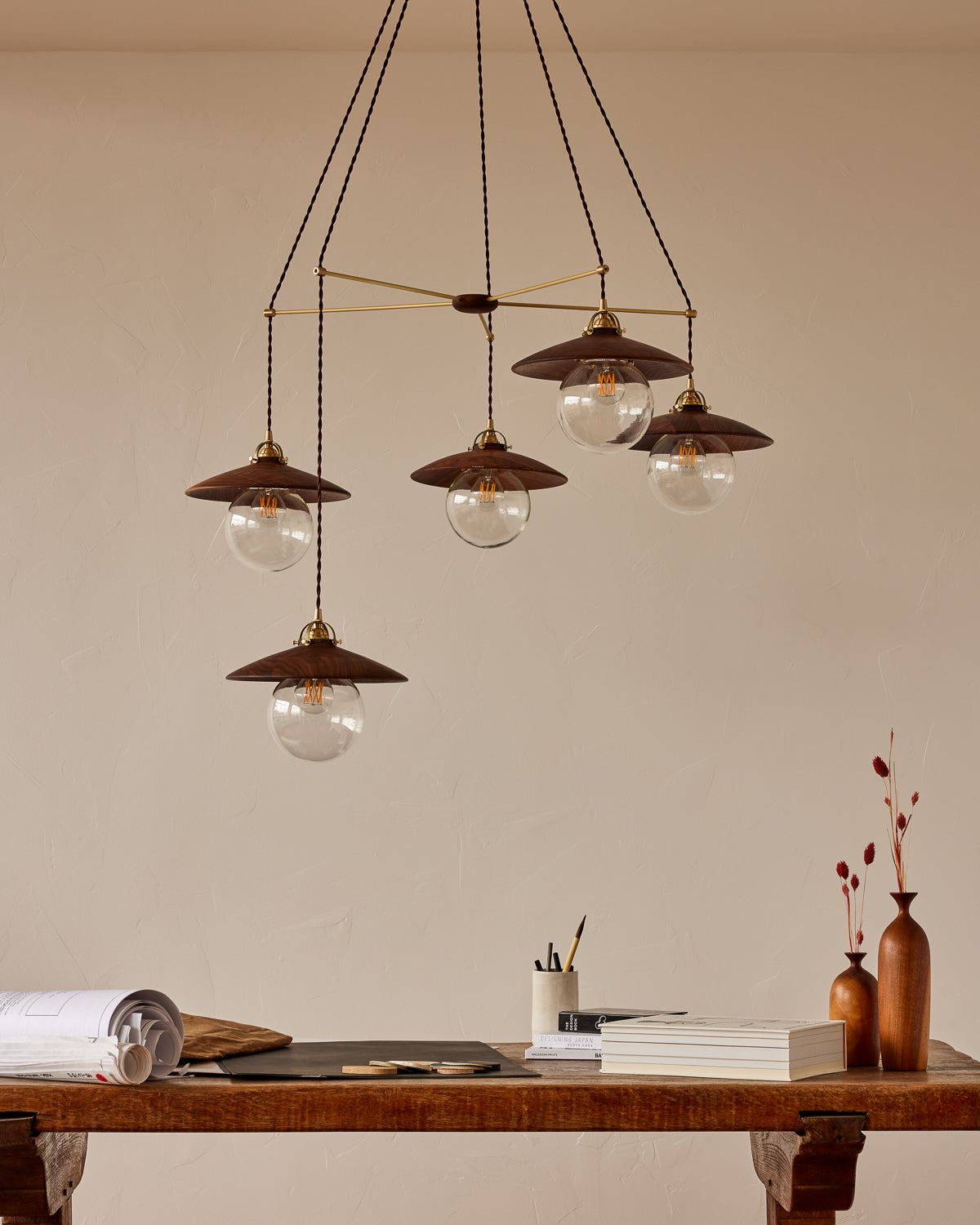
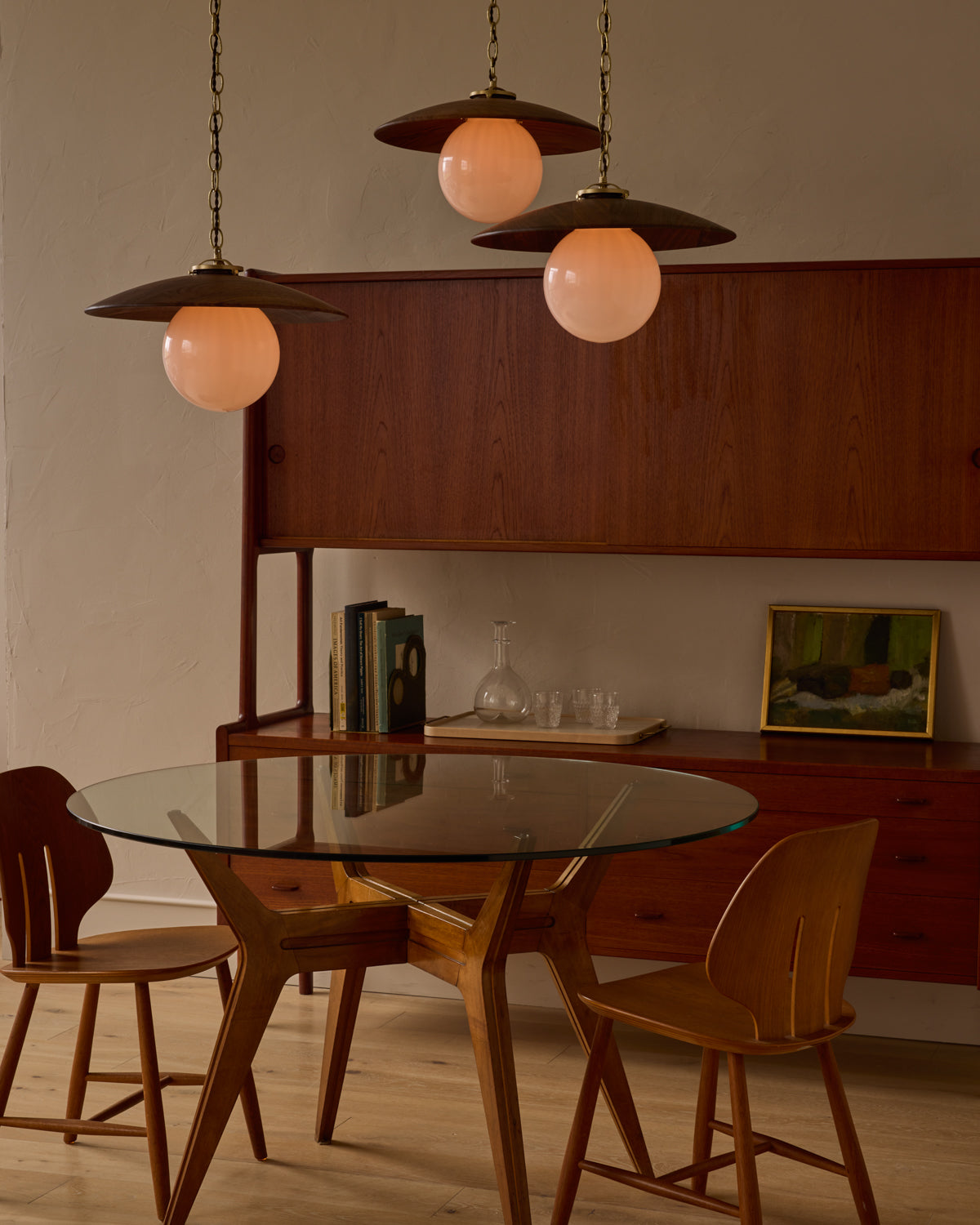
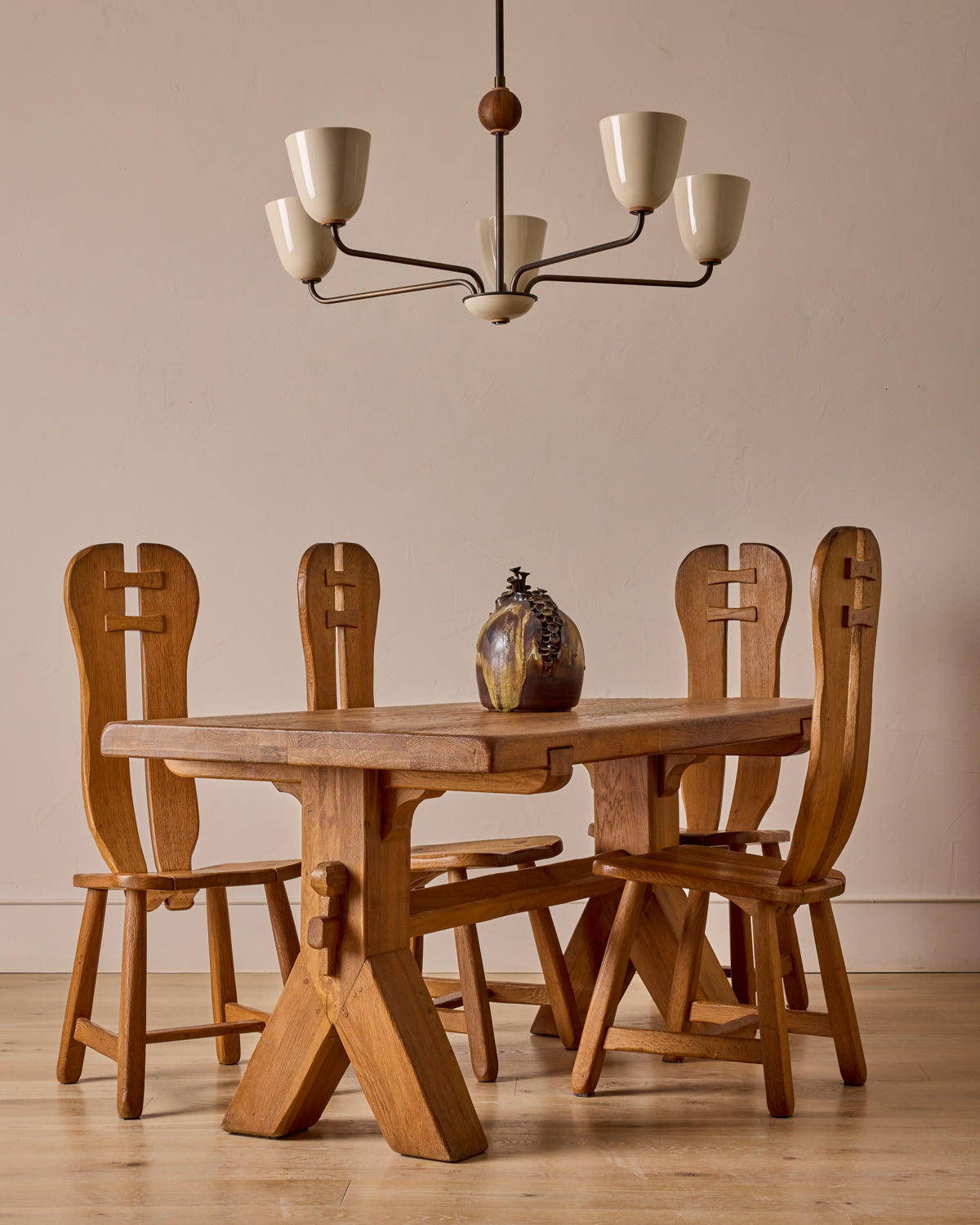
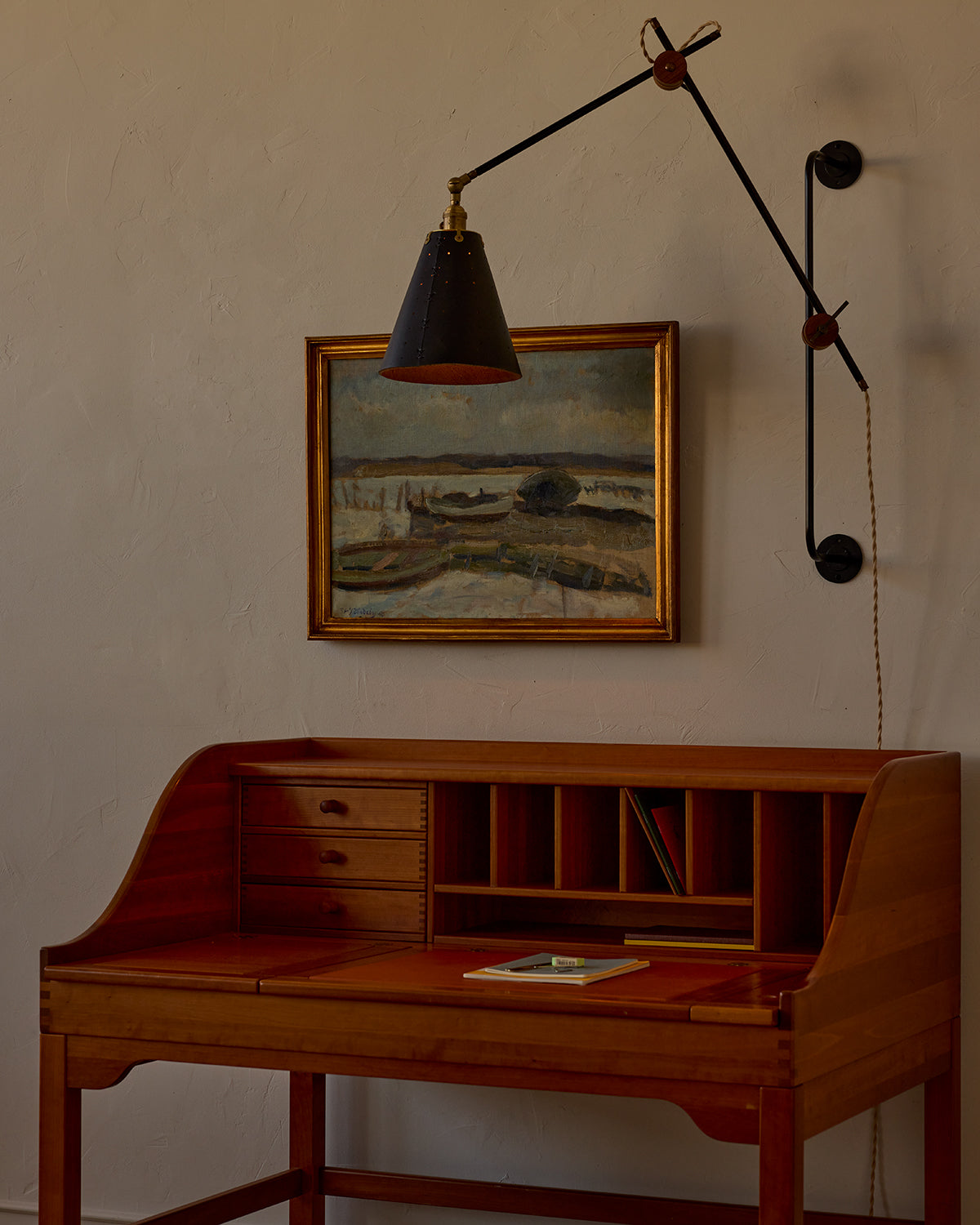
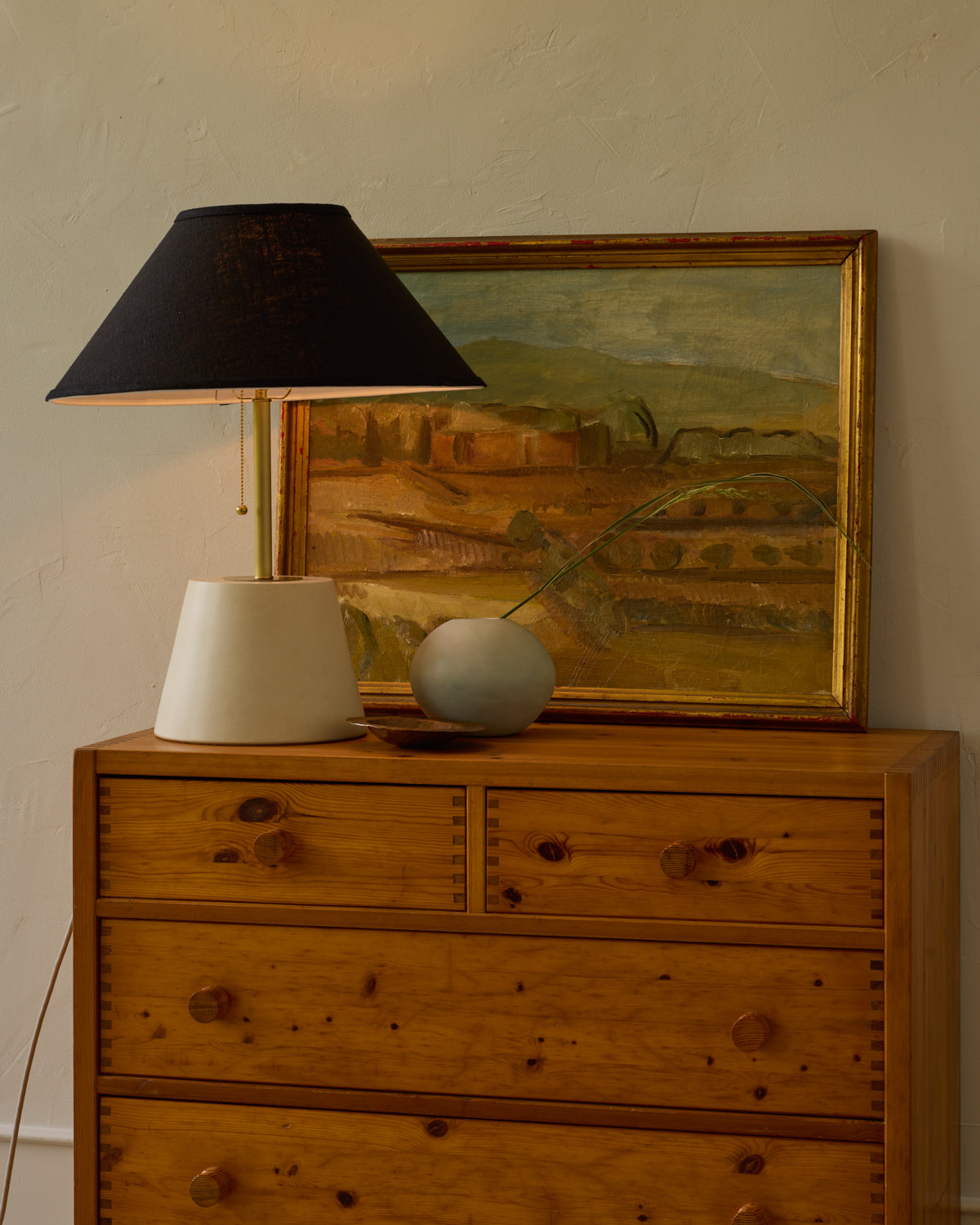
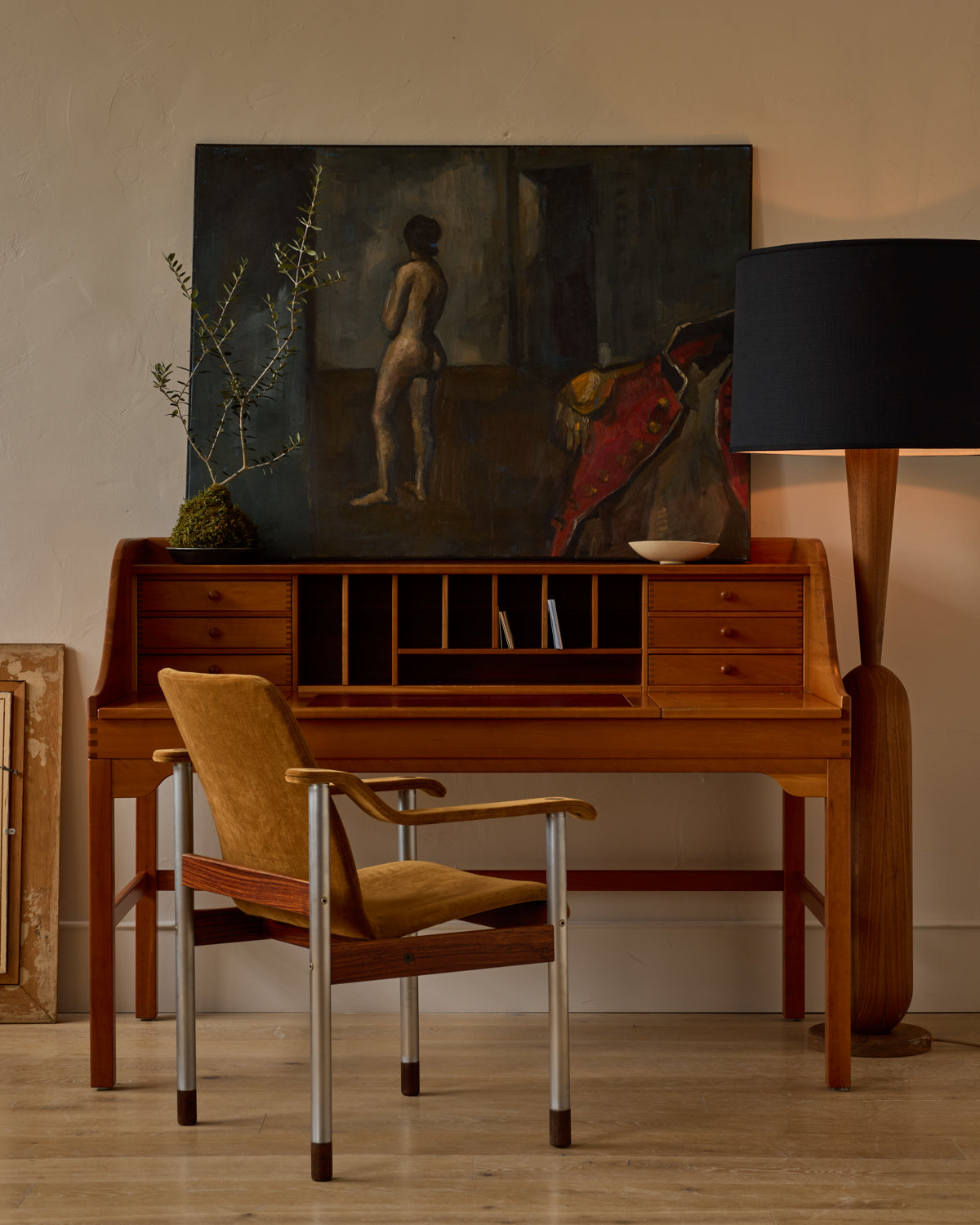
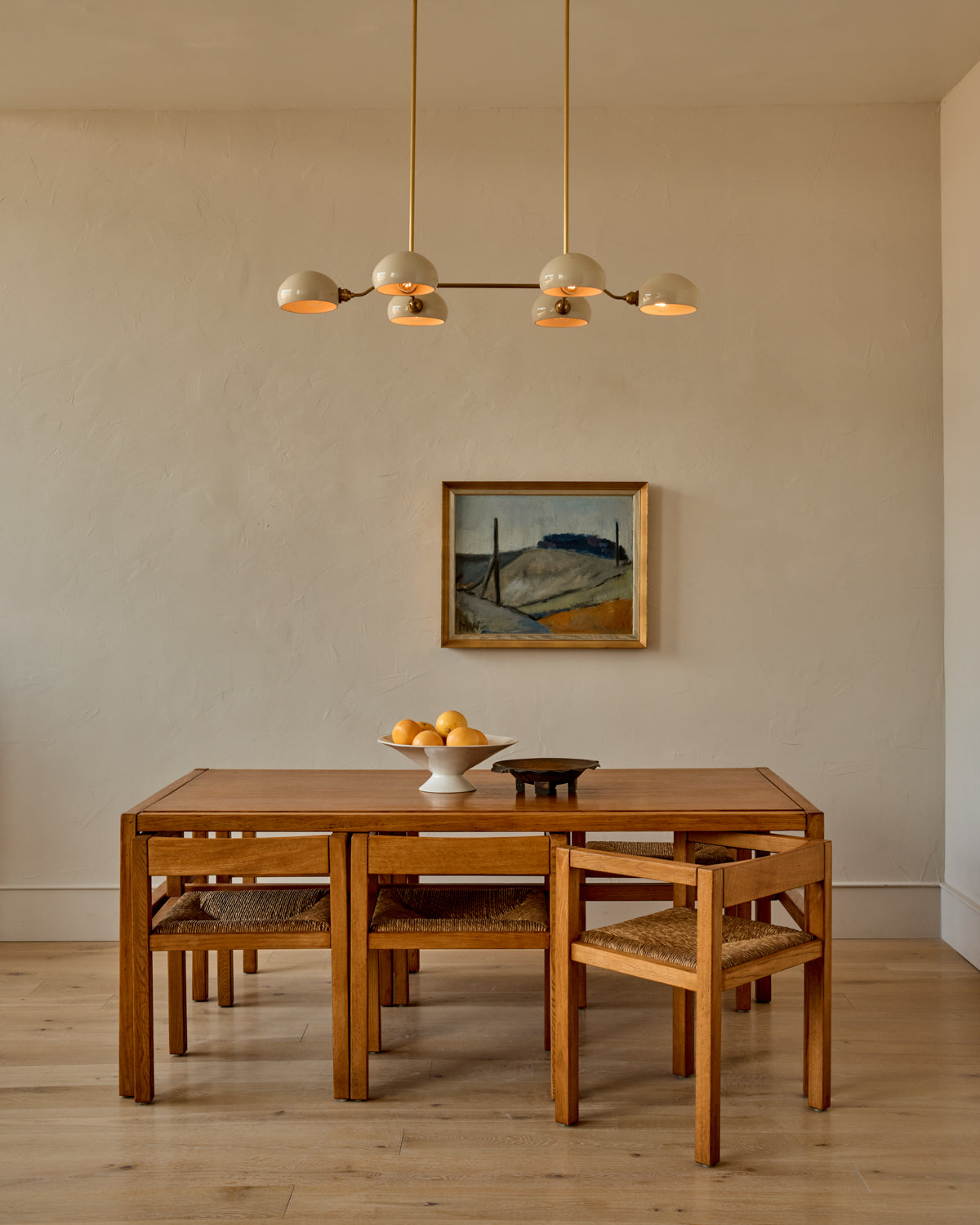
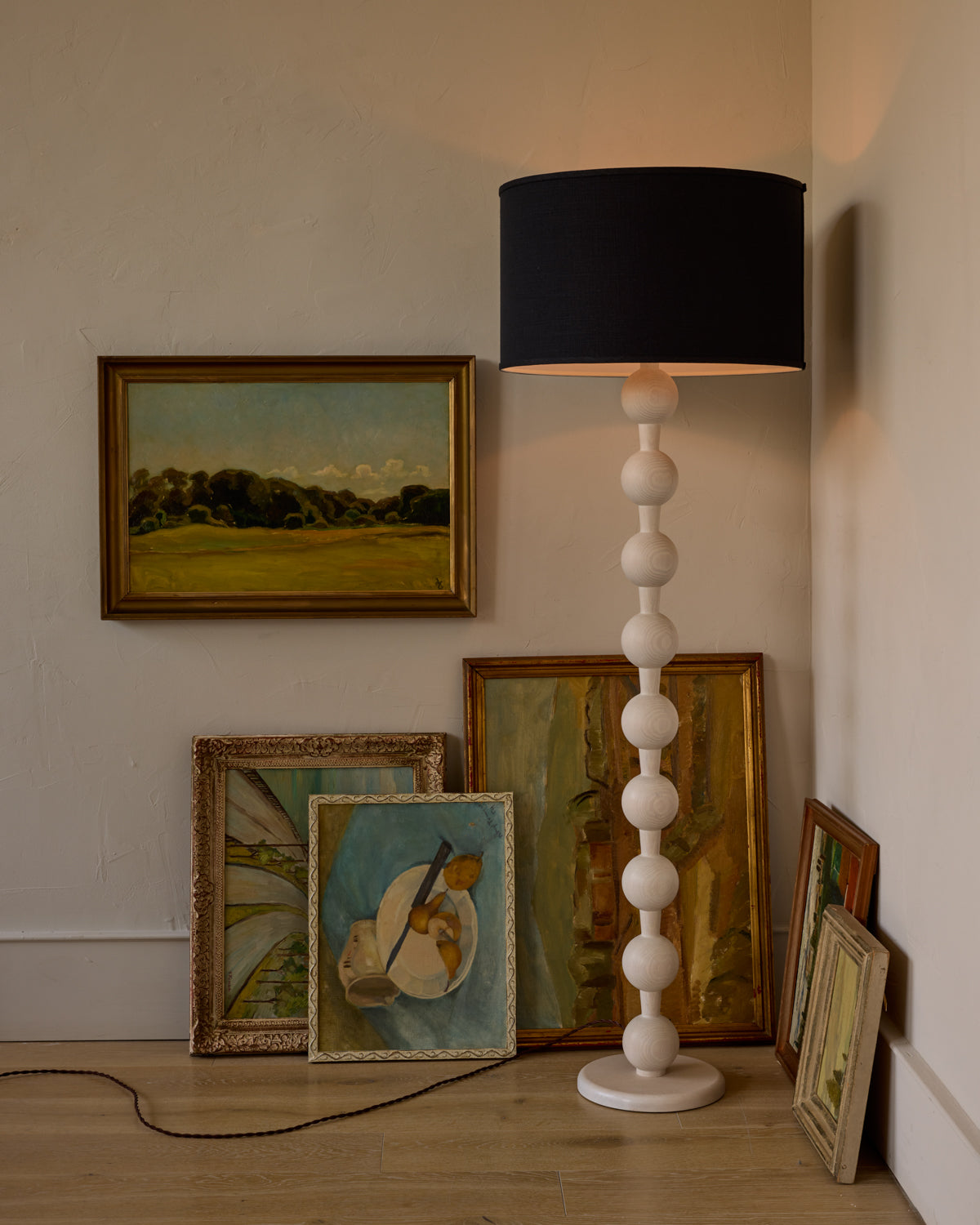
Nearly 15 years of photographing Lostine adds up to quite an archive. For this story, photographer Jason Varney selected a handful of images that have stayed with him—photographs that mark a turning point, capture an experiment that worked, or simply still feel good to look at. Together, Jason and Natalie trace the evolution of Lostine’s visual world.

A New Way of Seeing
The first photographs date back to April 2012. Lostine was still a young company when Jason photographed nearly everything Natalie Page and her husband and Lostine co-founder, Robert Ogden, were making. The setup was simple: a cement floor, solid backdrop, and natural light coming through a garage bay door.
When Jason’s photographs came back, “our jaws just dropped,” Natalie remembers. “Robert and I were like, Wow. That’s what our product should look like.”

It was more than a set of beautiful photographs. For Natalie and Robert, the images reflected what they saw in the objects themselves, and changed their sense of what Lostine’s visual world could be.
Looking at those early images now, Jason is struck by how much has changed—and how much hasn’t. The surfaces and collection have evolved, but the fundamental approach remains: simple compositions, beautiful light, and an almost reverential attention to the object itself.
“It’s really important to me to capture the essence of an object,” he says.
Natalie sees that instinct in the way he notices the smallest things: the curve of a vase, the texture of a material. “You want to be working with somebody who’s not only going to be able to capture that,” she says, “but who’s also able to see it in the first place.”
Beyond the Object
As Lostine evolved, so did the job of the photograph.
“We started to introduce a subtle narrative,” Jason explains. The earliest images were largely about the objects themselves. Gradually, more entered the frame. A painting and a sofa, oranges left on a table, the suggestion that someone had just walked out or might return at any moment.

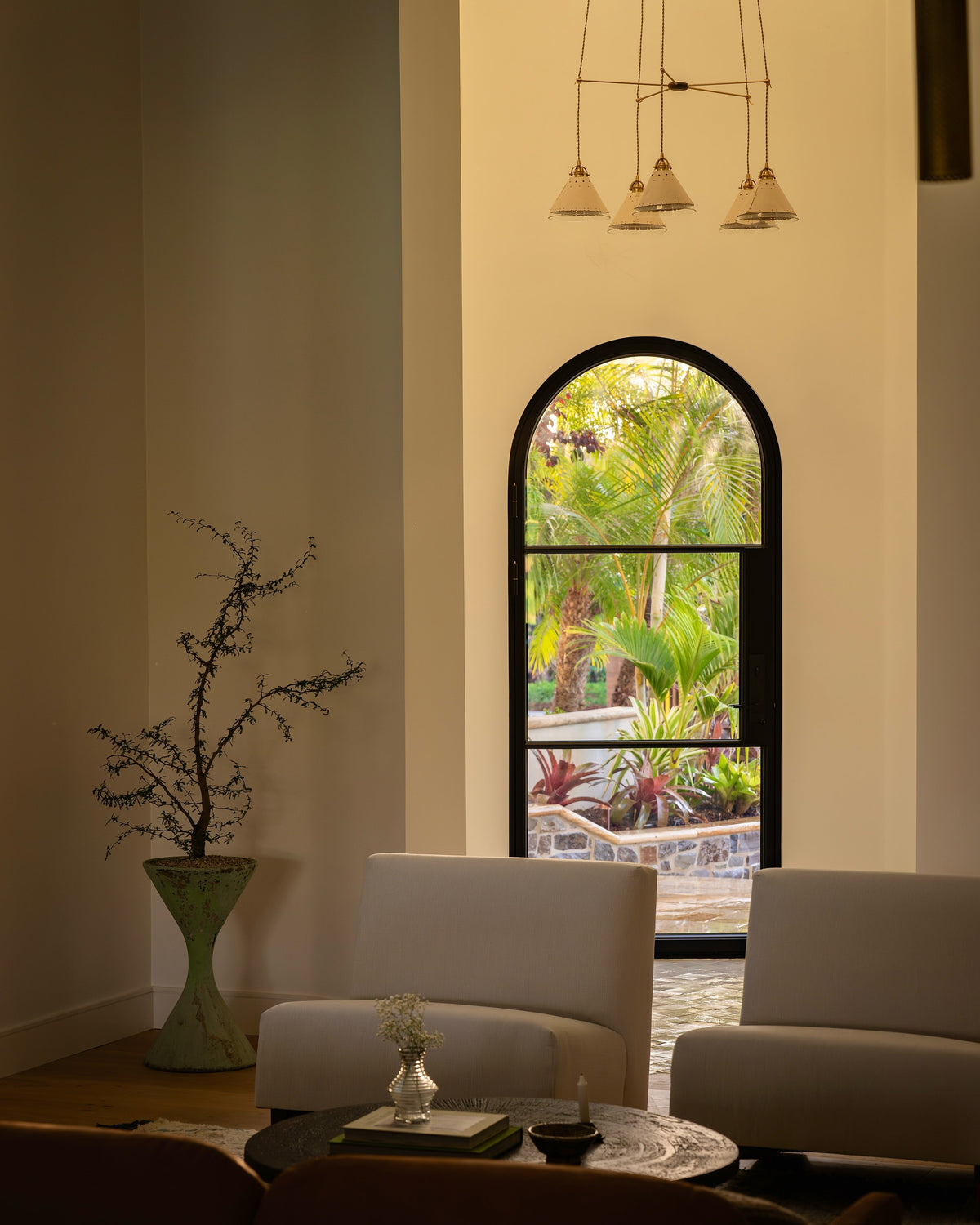
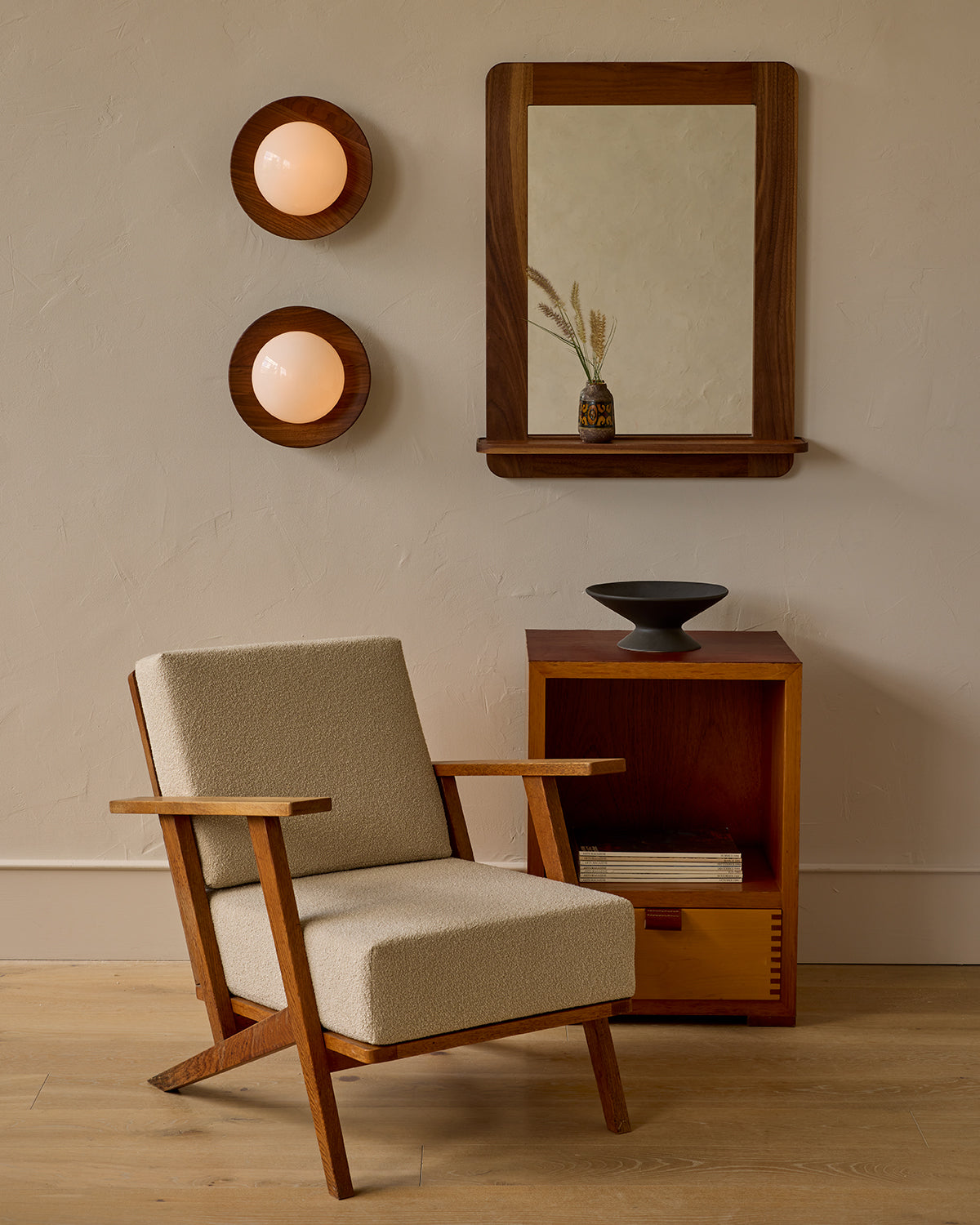
The evolution took another step when they brought Lostine product outside the studio and photographed it inside Natalie and Robert’s home. Instead of building a backdrop, the house itself became part of the composition. “It was the first time we really put the product out in the world,” Jason remembers.
That freedom—to respond rather than simply execute—has remained central to the partnership. Some photographs need to show a customer exactly what an object looks like. Others exist simply for the art of it all.
“Sometimes we just want a beautiful photograph,” Natalie says. “There are really no limits or rules in our collaboration,” adds Jason. “We’ve approached many of our shoots in ways that are somewhat unconventional. I think they almost always work in our favor.”

If there’s a common thread running through the images, it might be that nothing feels too perfect. “I like things a little undone,” Natalie laughs. It’s an instinct that comes from the way she and Robert think about their own home, too.
Jason approaches composition in much the same way. He wants “balance, but not necessarily symmetry”—an object breaking the frame, something slightly askew. And achieving that effortlessness can take time. “Sometimes the things that look the most undone take the most time.”
The Space Between Things
And “undone” doesn’t necessarily mean restrained. During one of the first shoots in Lostine’s current building, the space was still under construction. The team had been experimenting with plaster as a backdrop, and the room was full of product.

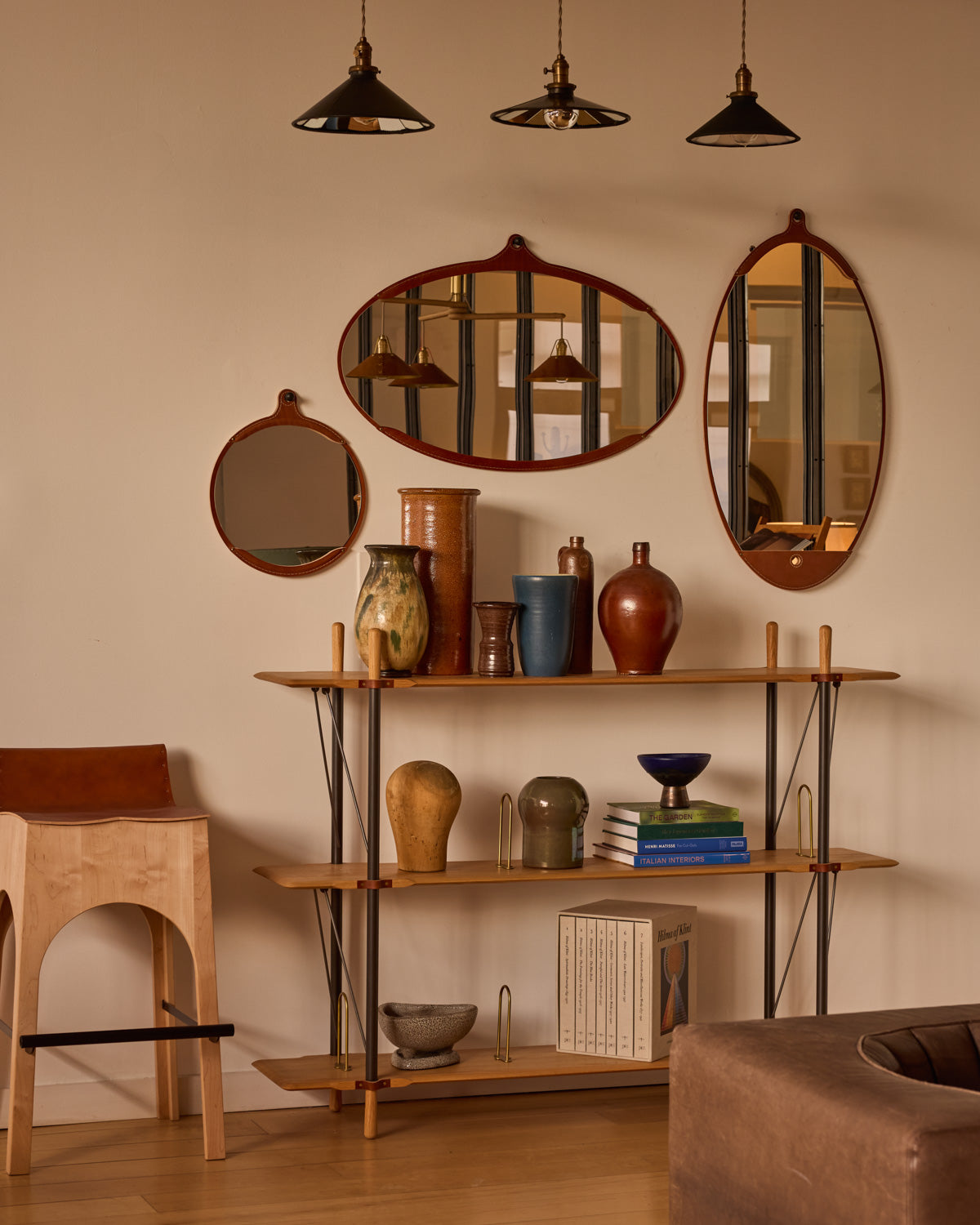
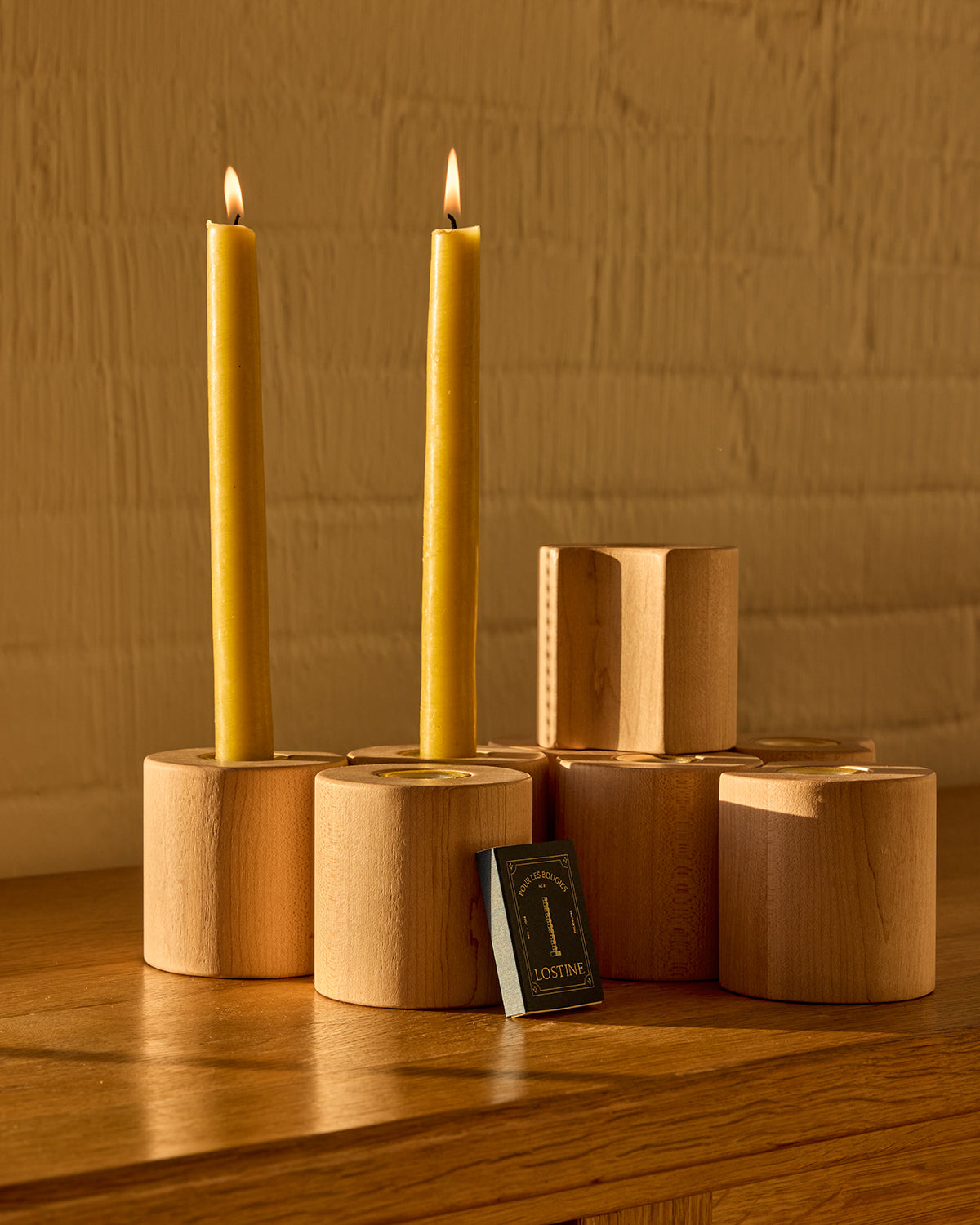
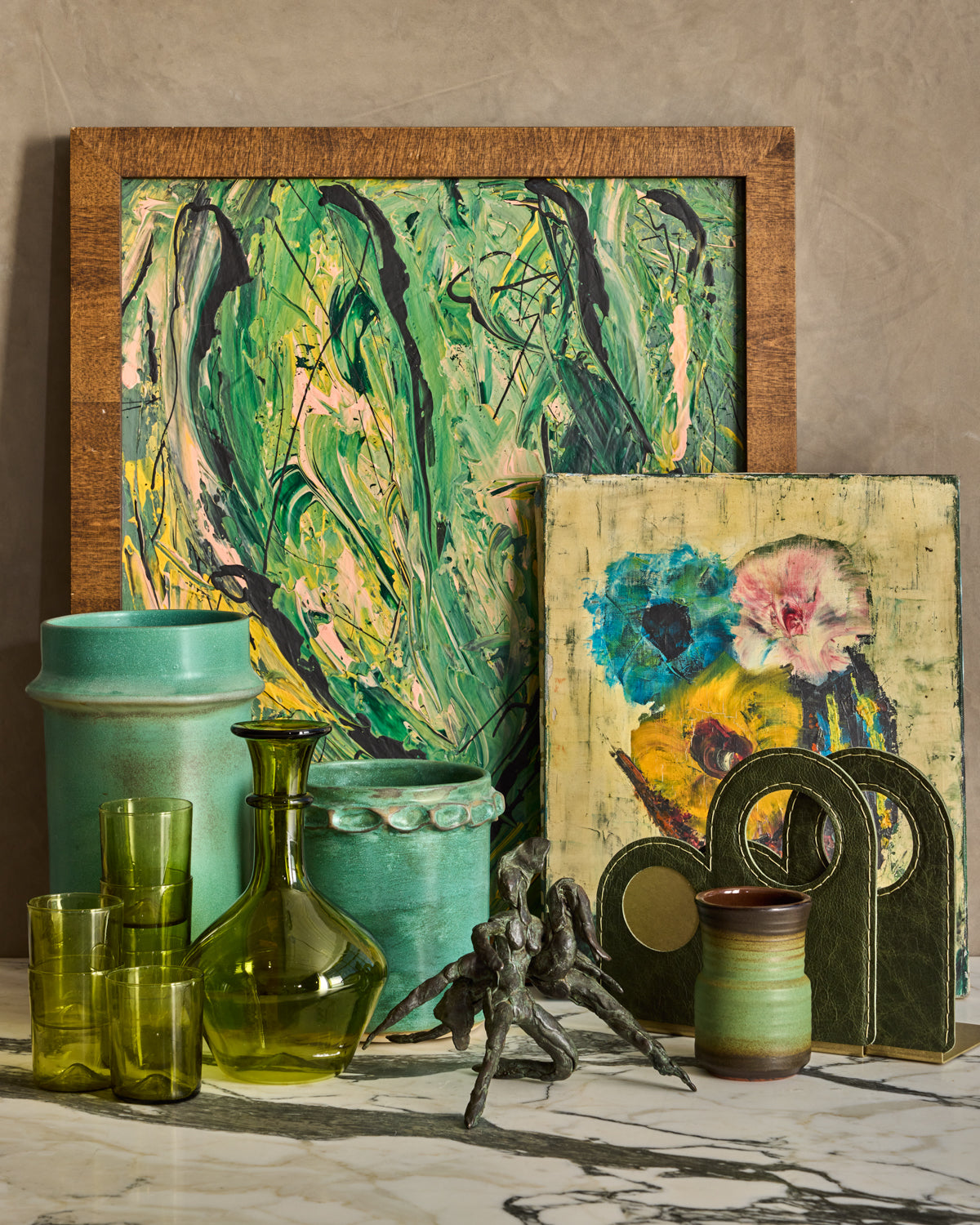
Instead of taking things away, they kept adding. “We had all these candleholders and lights and ladders and products in the same palette,” Jason remembers. “And we started saying, " More is more.” The resulting images revealed something photographing a single object couldn't: the relationship between forms.

“When you get to see a lot of it, you get to understand the interplay of shape,” Natalie says. “How things bounce off of each other.”
People began contacting Lostine wanting the grouping they saw in the image. A photograph made in the spirit of experimentation had unexpectedly shown people a new way to live with the objects.

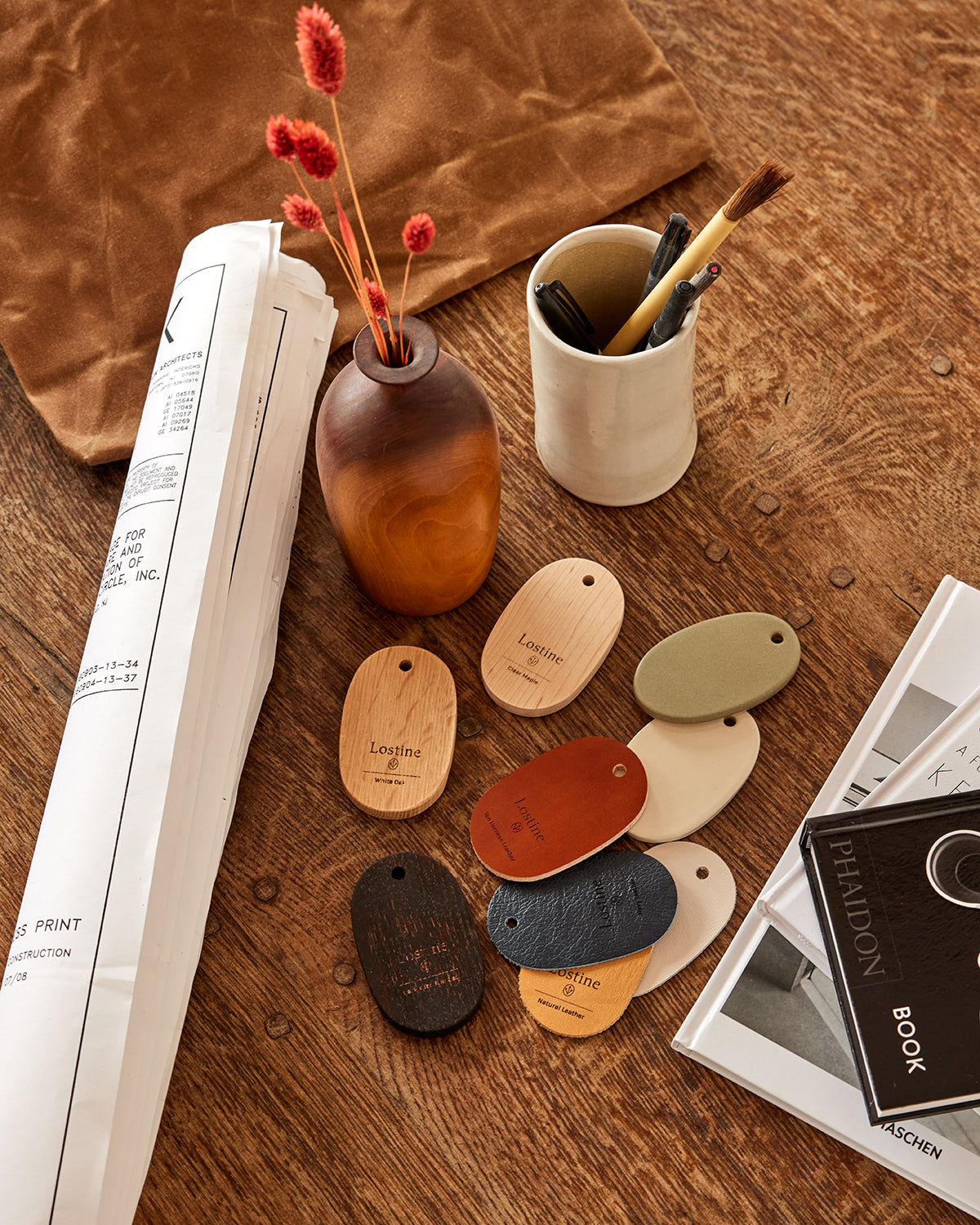
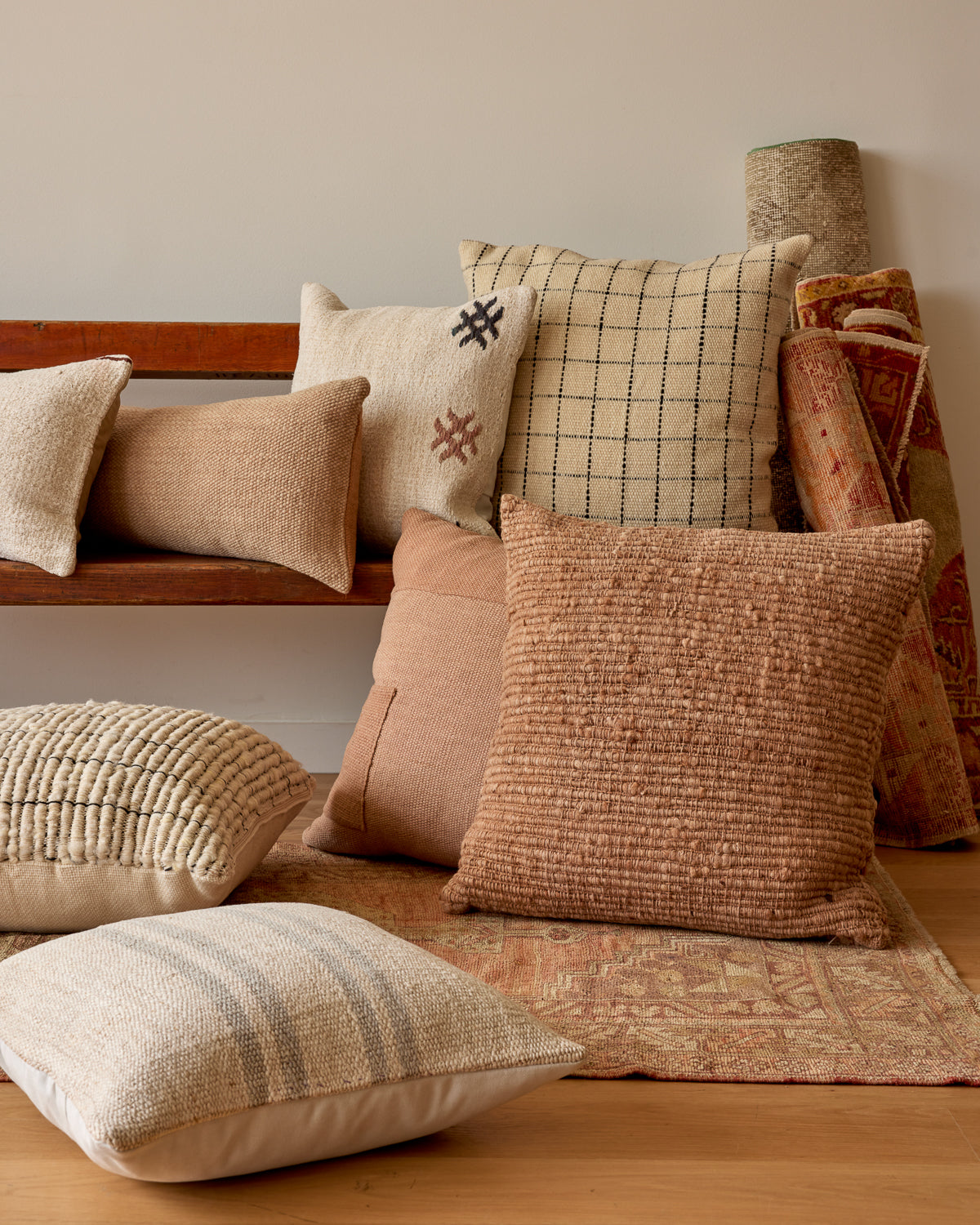
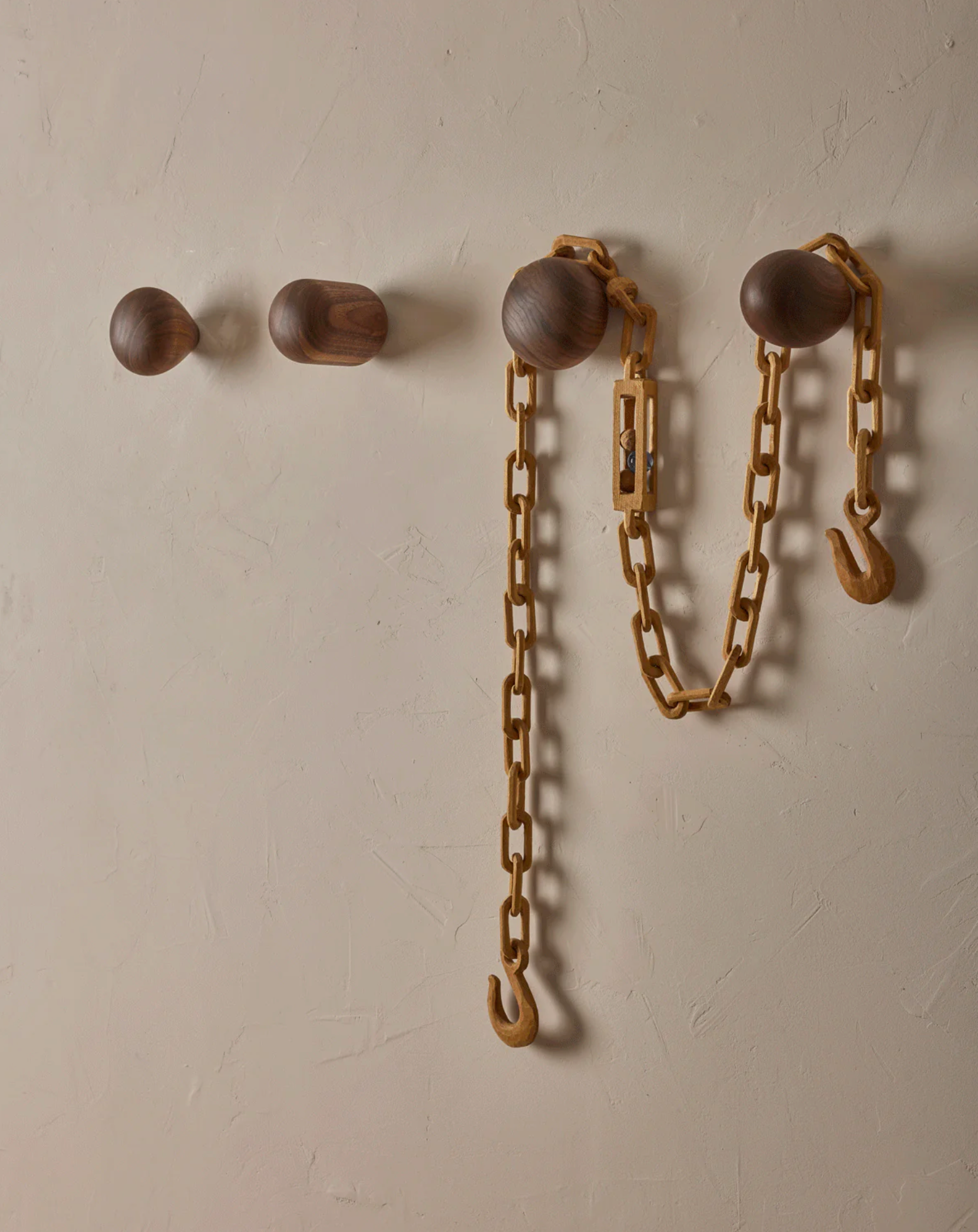
That interplay became part of Lostine’s visual language. A group of pendant lights could become a study in shape and rhythm. Robert’s one-of-a-kind Object Lamps could take on personalities when gathered together. Even sample tags could become something almost painterly through Jason’s lens.

A World Around the Object
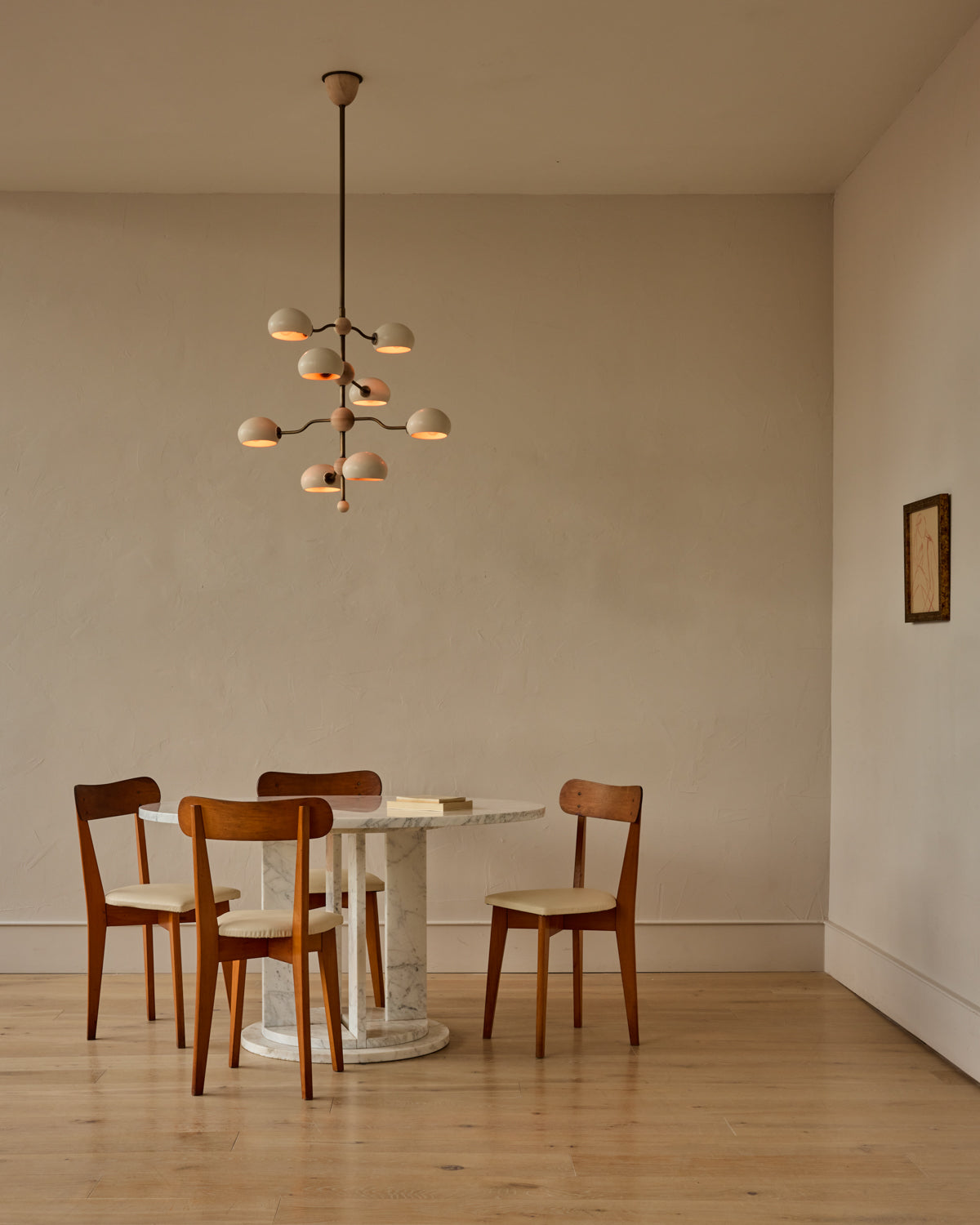
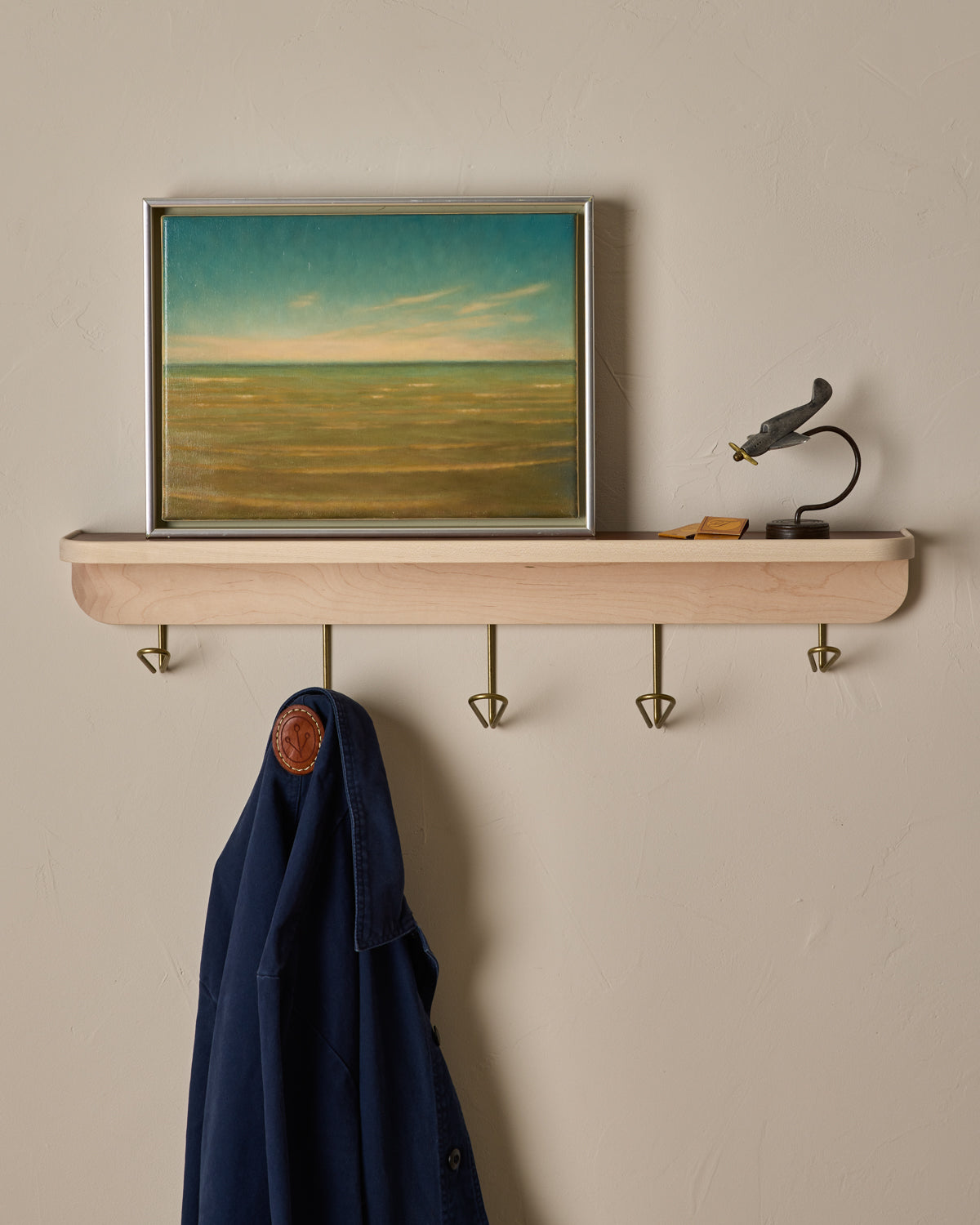
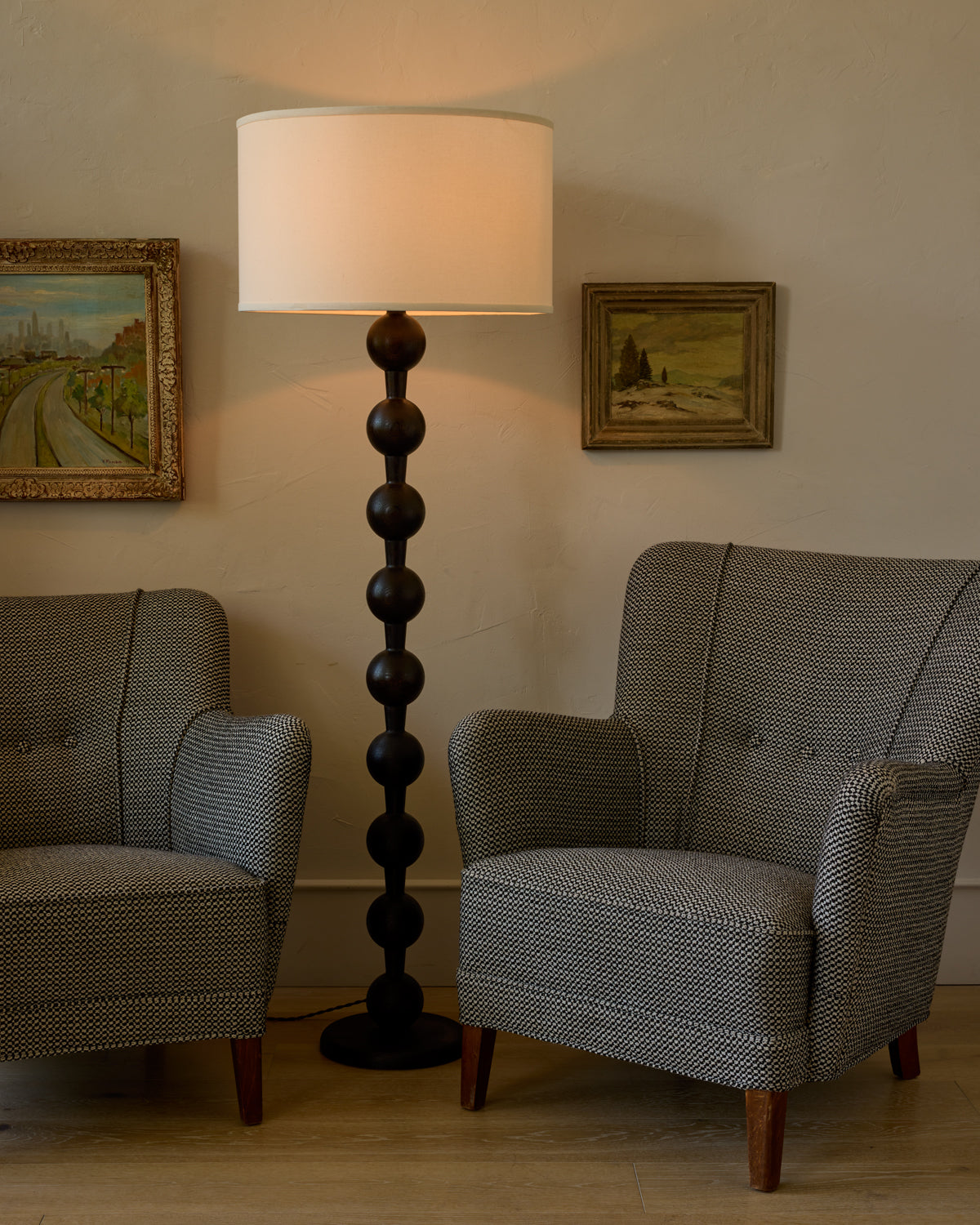
As the photographs became more expansive, Lostine needed more to put around the objects themselves. A chandelier on a blank page is beautiful, but without something familiar beside it—a table, chair, painting—it can be difficult to understand its scale or imagine how it might live in a room. So they began bringing things in. Increasingly, those things were vintage.
For Natalie and Robert, it was a return to something familiar. The two had met sourcing vintage and spent years going to flea markets, collecting old objects, fixing things, and decorating their own home with what they found. Now that eye has become part of Lostine's photography.
“Coming back to vintage has been really fun for us,” Natalie says.
At first, the vintage pieces helped tell the story around Lostine's own collection: a dining table to establish the proportions of a chandelier, an old painting to bring color and history to a room, a sofa to make a studio backdrop feel inhabited.

Somewhere along the way, the relationship reversed. Instead of simply asking which vintage piece would help make a photograph work, they began asking which pieces they wanted to find for the photograph. What began as a need for photography eventually became a meaningful part of Lostine's business in its own right. The images weren't simply reflecting the evolution of the brand anymore, they were helping shape it.
Another Place
By then, the photographs became as much about relationships as the objects themselves: one object to another, an object to a room, a room to the person imagined within it.
Ask Natalie what she sees when she looks at one of her favorite photographs from the archive and she doesn’t begin with the product. She talks about quiet music and candlelight. “There’s a certain essence of calm,” she says. “It feels like there’s air flowing through that room. It has this very gentle, soft touch.”
Jason looks at the same image and imagines a person.
“Who’s here?” he asks. “Whose space is this?”
The photograph becomes less a picture of a product than a glimpse into another place. Natalie looks at it and thinks that if she could pluck the entire scene out of the photograph and put it in her own house, she would. “That’s a home run,” she says.

Where the Jazz Comes In
After nearly 15 years of images, there is no single lostine.proposition. Some photographs contain one object, beautifully lit against a simple surface. Others are abundant with lamps, paintings, flowers, furniture, tools, cords, and color.
Jason describes it as a kind of “quiet, loud” quality. What connects them isn’t a formula so much as a way of looking.. Even the photographs that appear chaotic or spontaneous are considered: the space between two objects, the placement of a color, the line that carries your eye across the frame.
The process of making them, however, remains remarkably loose. “There’s a lot of trust and a lot of collaboration,” Jason says. “The process of what we do is so fun and interesting. To me, the photograph is the ultimate record of that process.”
Often, the direction going into a shoot is little more than: Here’s what we have to photograph. Here’s a loose theme. Let’s get together and play.
Natalie calls that moment “where the jazz comes in.” One idea leads to another and every once in a while, everyone sees the photograph at the same time. “You know, it’s just—everybody will react,” Jason says. “There are certain images that just really sing.”

Nearly 15 Years Later
For Natalie, there’s still a particular thrill in seeing something Lostine made transformed by the photograph. “It’s a feeling of, Wow, we made that,” she says. That feeling has repeated itself over the years as Lostine’s offerings and Jason’s photography have evolved alongside one another.
Jason arrived at that first shoot known largely as a food photographer; Lostine was a young company still figuring out what its photography should look like. Today, they’ve built a visual language together—one shaped as much by trust and experimentation as by the objects themselves.
The photographs have changed as Lostine has changed. What hasn't is the way they’re made: moving, adding, taking away, trying something that may or may not work. It’s a shared instinct, sharpened over years of working together, and a willingness to trust the people in the room enough to say yes to an idea, or no, or what if we tried this instead?
Perhaps that’s what the photographs hold most clearly: not only the evolution of Lostine, but the record of people making something together.